The Socorro Landing
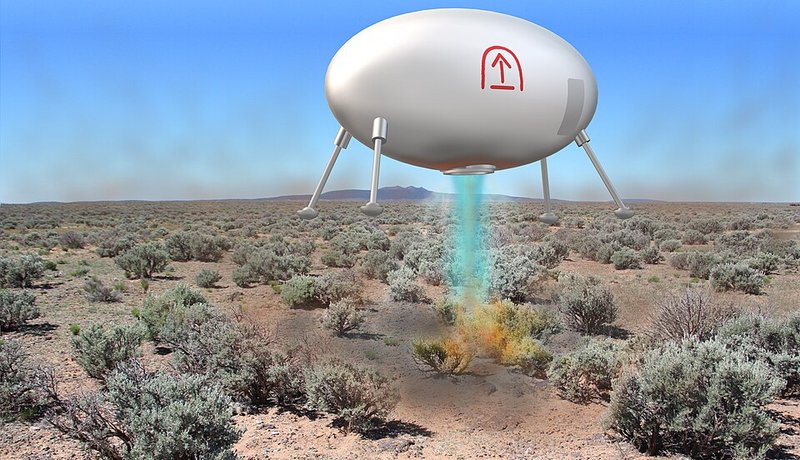
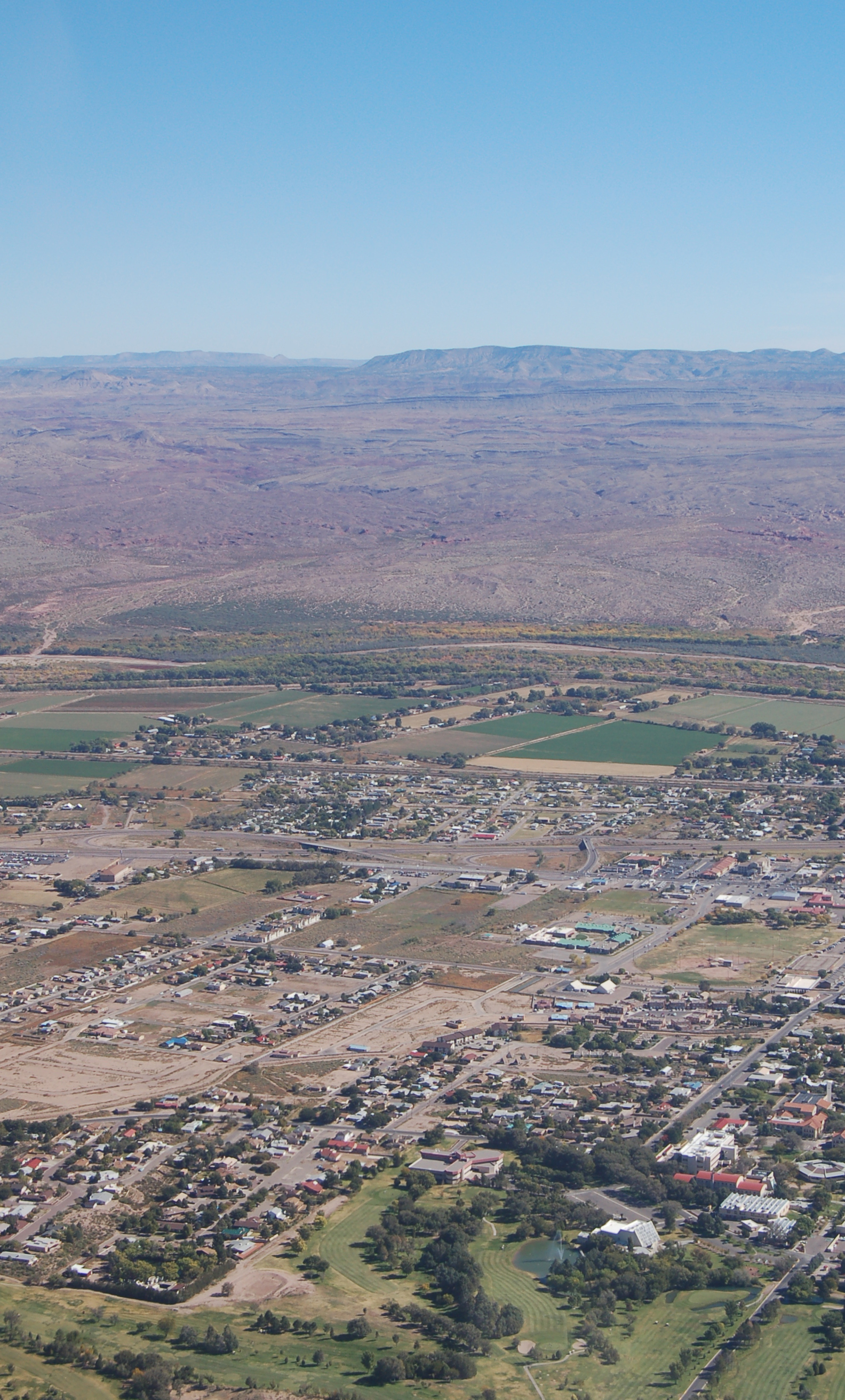
Lonnie Zamora was a Socorro, New Mexico, police officer chasing a speeding car on the afternoon of 24 April 1964 when he heard a roar and saw a flame in the sky to the southwest. Thinking a dynamite shack might have exploded, he broke off the pursuit and drove toward the site. What he found was an egg-shaped, white, metallic object resting on legs in a shallow gully, with two small figures in white coveralls standing beside it. When they noticed him, the figures moved quickly back to the object. It lifted off with a roar and a blue-orange flame, then departed silently to the southwest. Zamora found smouldering brush and four angular impressions in the ground where the legs had rested.
It was smooth, no windows, no doors. Like a big egg on legs. And there were two people, small people, beside it.Lonnie Zamora, police officer, deposition to Project Blue Book, April 1964
The Sighting
A police officer, a gully, and an egg on legs.
Zamora was a respected officer with no interest in UFOs. He had served on the Socorro force for years. When he crested the hill and saw the object, his first thought was an overturned car. As he got closer, he realised it was nothing he could identify. The two small figures, roughly the size of children, wore white garments. They appeared startled when they saw him. The craft lifted off with a loud roar, producing a blue-orange flame, then became completely silent as it climbed and moved away.
Zamora radioed Sergeant Sam Chavez, who arrived within minutes. Chavez confirmed the smouldering brush, the landing impressions, and the disturbed earth. The physical evidence was real, documented by police, and later examined by the FBI and Project Blue Book investigators.
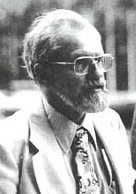
I have no explanation for the sighting. The witness is credible, the physical evidence is real, and we have no conventional explanation.Dr. J. Allen Hynek, Project Blue Book Scientific Consultant
The Investigation
Blue Book's best unknown.
J. Allen Hynek, the astronomer who served as scientific consultant to Project Blue Book, investigated the case personally. He found Zamora credible, the physical evidence compelling, and the absence of any conventional explanation troubling. Hynek would later call Socorro one of the cases that pushed him from skepticism toward acceptance that some UFO reports represented genuine unknowns.
The landing site showed four rectangular impressions arranged in a trapezoidal pattern, consistent with a craft resting on four legs. The soil was compacted. Brush was burned in a pattern radiating from the centre. Vitrified sand was found at the site, suggesting intense, localised heat. Laboratory analysis of the soil samples confirmed anomalous heating. Project Blue Book classified the case as "unknown," one of the few cases in its files to receive that designation with full investigator endorsement.
The Socorro symbol: Zamora sketched a red insignia he saw on the side of the craft. The original drawing shows an inverted V with three lines beneath it. Hynek asked Zamora to alter the symbol in public accounts to weed out copycat reports. The real symbol and the decoy have been debated ever since.
24 newsletter articles cover the Socorro case across APRO, NICAP, and Saucers magazine. See the Socorro case file and Socorro article. Related: New Mexico sightings.
Key People
The witnesses, investigators, and officials connected to this case.