The Post-2017 Cycle
The Disclosure Network
The years since 2017 have produced more on-record acknowledgement of UAP activity by governments and military institutions than the entire preceding seventy years combined. This surface follows that narrative by milestone and development. For the full historical record of any country, the country exhibitions are the canonical home.
The Disclosure Network follows the present-era narrative as it unfolds. The archive does not take a position on whether disclosure is happening, what is being disclosed, or whose interpretation is correct. We document the work, cite the sources, and link to where each story is hosted on the archive's primary surfaces. Inclusion is editorial, not endorsement.
Each country's full historical record (pre-1947 chronicle entries through to the present) lives on its country exhibition. This surface is the story of the post-2017 cycle.
The Present Era
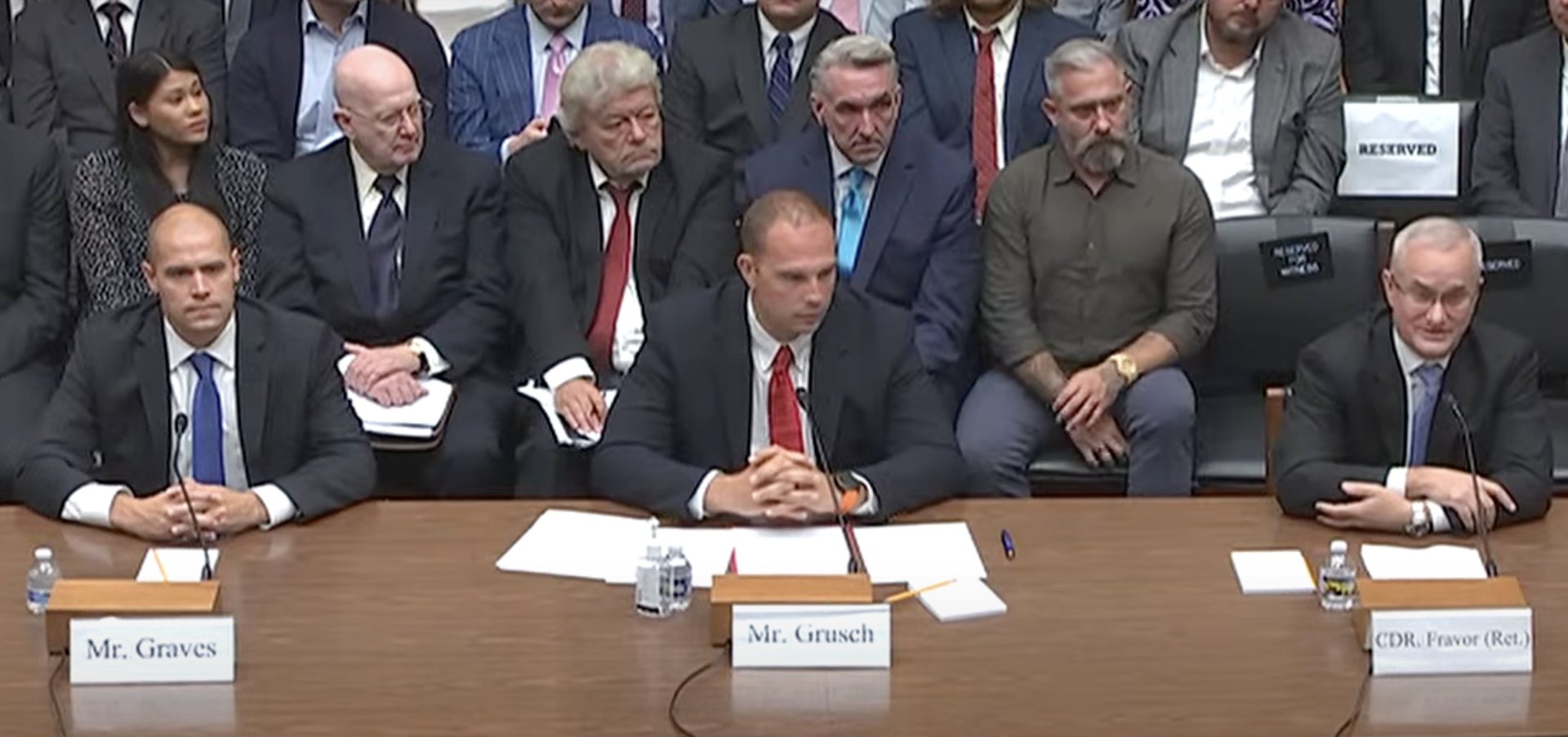
The years since 2017 have produced more on-record acknowledgement of UAP activity by governments and military institutions than the entire preceding seventy years combined. The Pentagon confirmed the FLIR1 video. Congress passed the UAP Disclosure Act of 2024. Three Navy aviators testified under oath at a House Oversight subcommittee. France's GEIPAN continues its public reporting. Brazil's National Archives released the SIAN files. Australia's Department of Defense acknowledged attending a Pentagon UAP briefing after initially denying it twice in Senate Estimates.
Around this institutional movement, a civilian community has built the publishing infrastructure that print newsletters provided in earlier decades. Podcasts, YouTube channels, Substack newsletters, and platform threads now do the work that The APRO Bulletin, The NICAP UFO Investigator, and FATE Magazine did before them. The medium shifted. The function is unchanged: independent researchers gathering reports, filing freedom-of-information requests, lobbying officials, and publishing for a community of interest.
This directory is the index of that work, organised by country, sourced to public statements, and updated as the network grows.
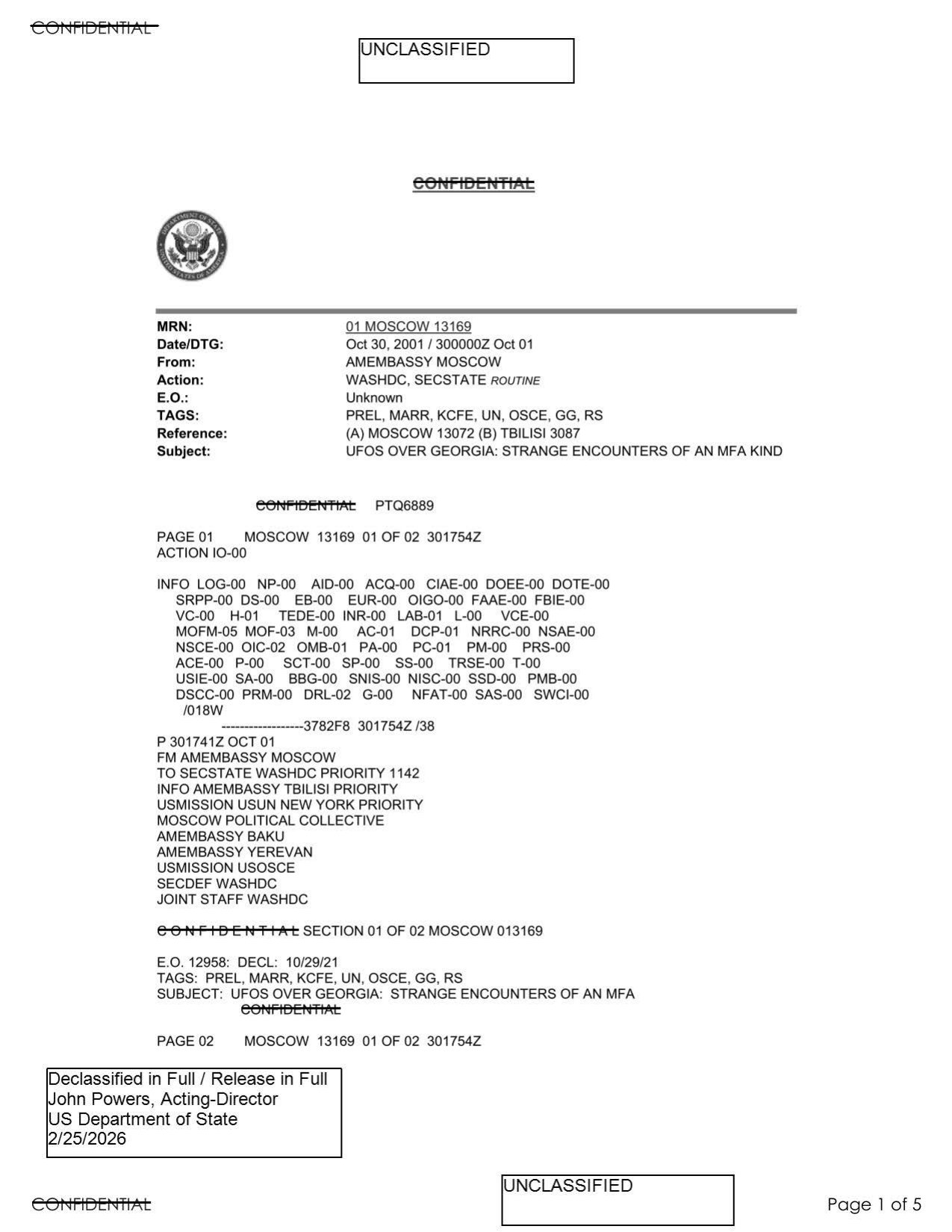
640 pages
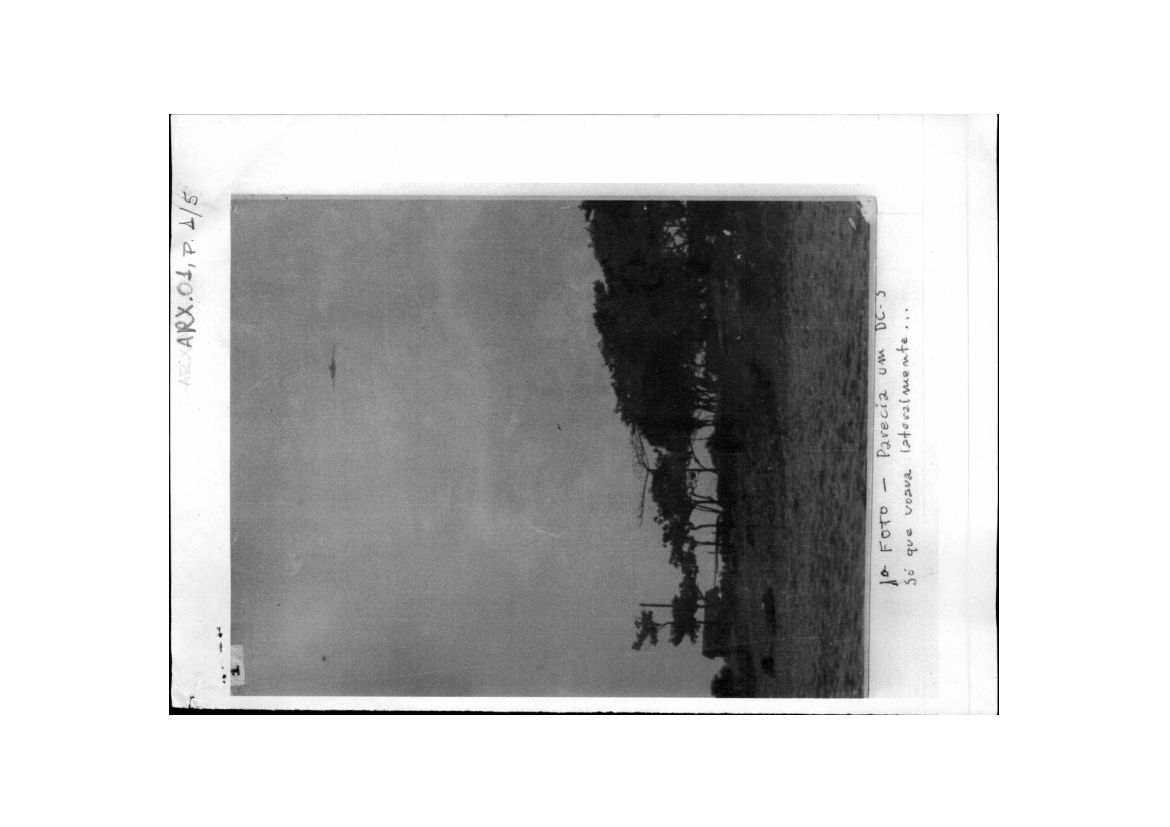
National Archives
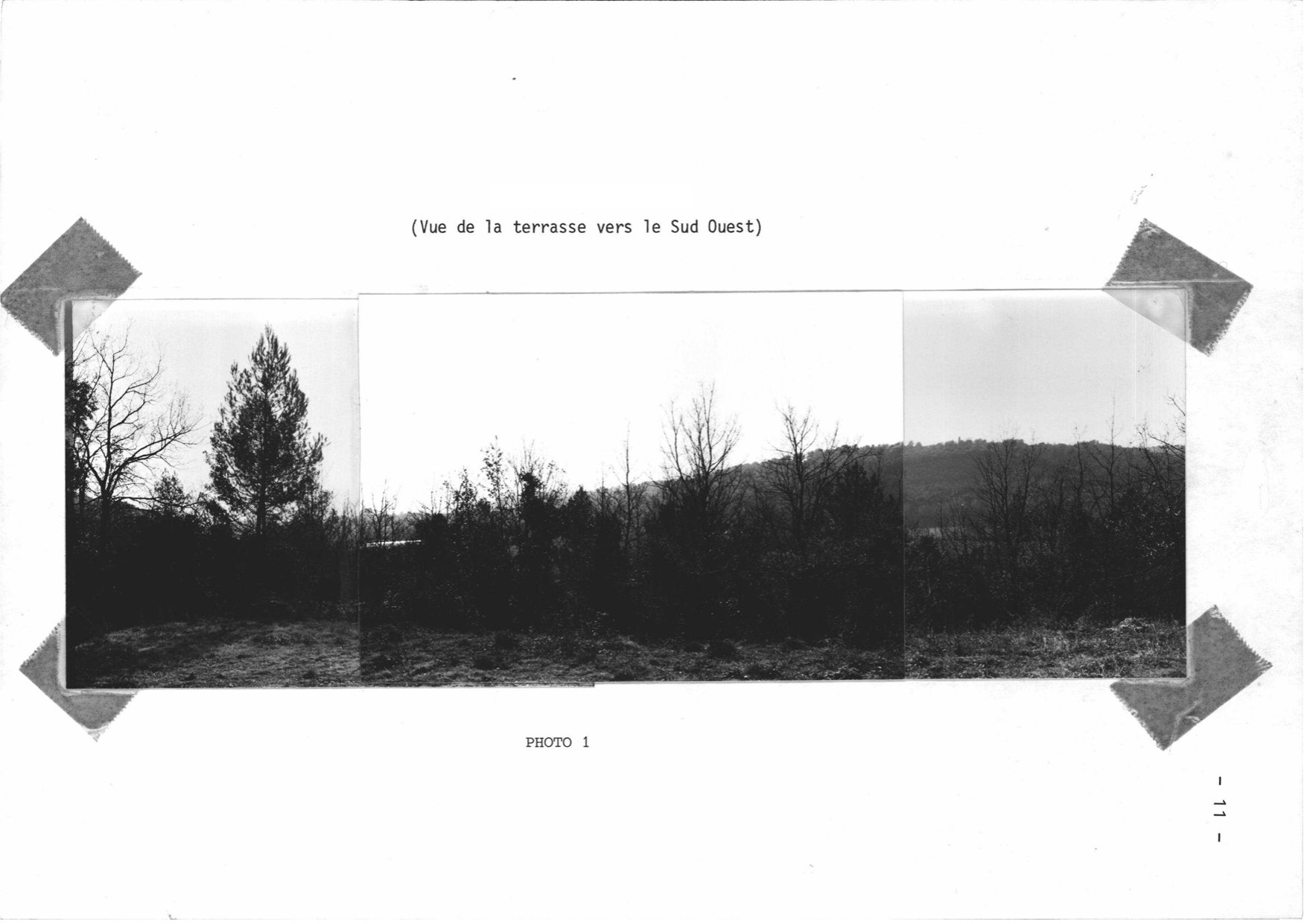
CNES research
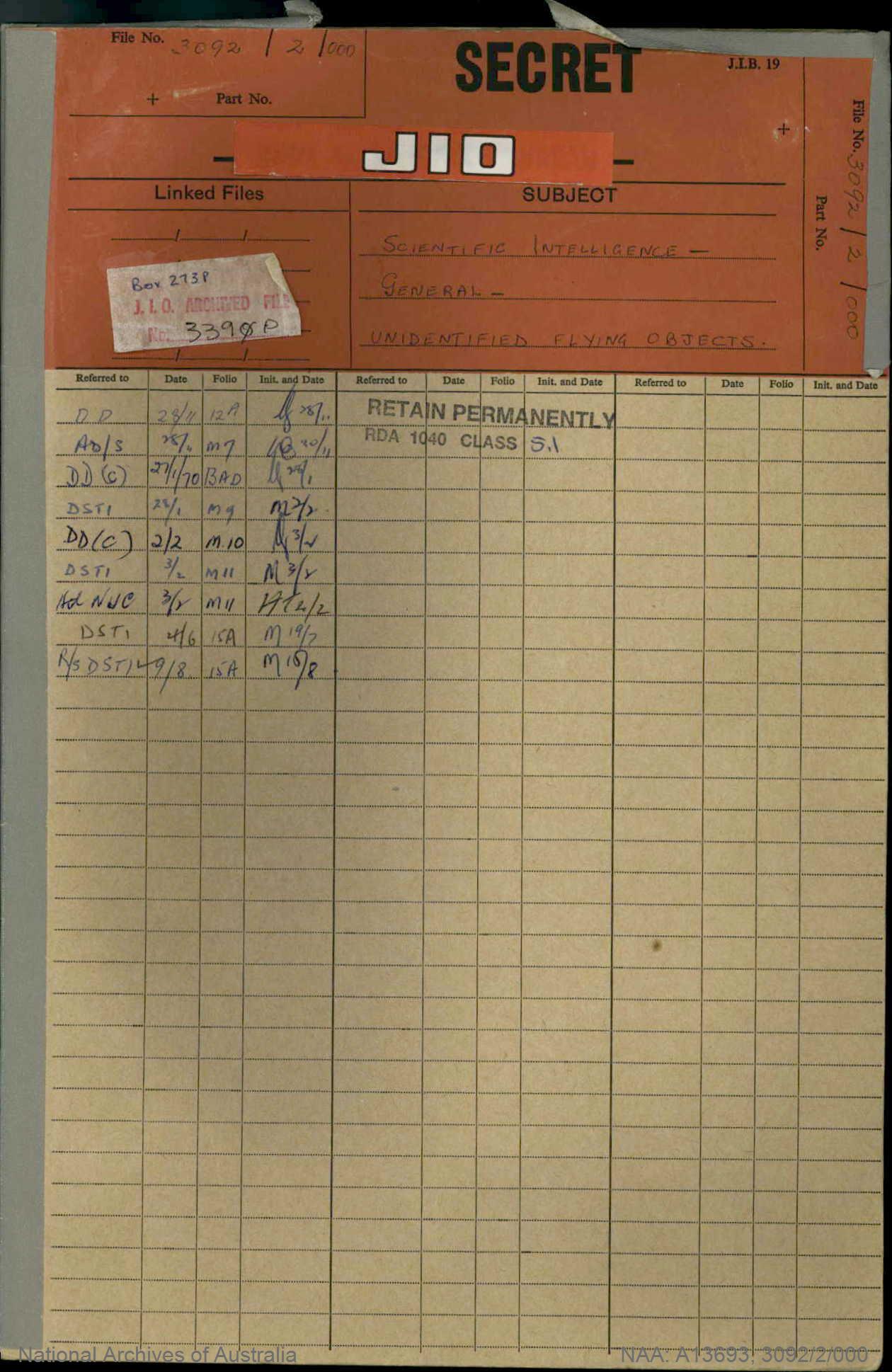
National Archives
By Milestone
The post-2017 cycle organised by the on-record events that defined it. Each milestone story is the archive's editorial framing of how the development unfolded, sourced and dated. Use these as the entry points into the wider record.
Planned story pages
Additional milestone stories in the editorial backlog. The underlying content lives on the country exhibitions today; the standalone story pages are in development.
By Country
Each country's post-2017 disclosure-cycle activity sits inside its full chronological record on the country exhibition. These cards link directly to the disclosure-era section of each country's canonical home.
Start with On the Record to see the official proceedings timeline, the UAP Disclosure Act legislative history (three attempts, three failures), and the country exhibitions below for the full record of what each government has and has not done.
Methodology
- Sourcing. Every quoted statement is sourced to a public appearance, on-record interview, podcast episode, parliamentary record, court filing, or published article. No private claims. No anonymous sources.
- Neutrality. The archive does not endorse any researcher's framework or conclusion. Inclusion reflects public engagement with the topic, not agreement with the position.
- Right of correction. Every profile carries an editorial contact pointer. People profiled here can request corrections, additions, or the removal of material they consider misrepresented.
- Catalogue, not ranking. The directory lists people and organisations alphabetically or by country. No "top ten" framings, no league tables, no hierarchies of credibility imposed by the editor.