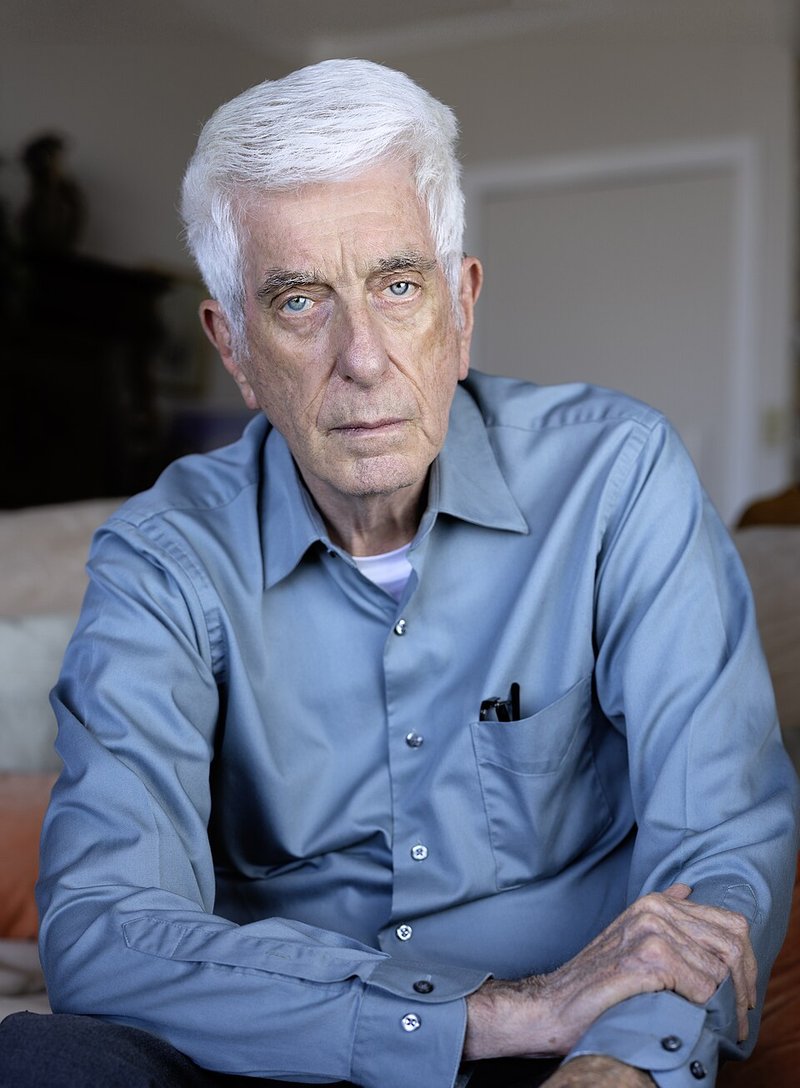
Author photo
Jacques Vallee
Jacques Fabrice Vallee observed his first UFO as a teenager in Pontoise, France, in 1955. He watched the staff at the Paris Observatory erase a satellite tracking tape that had recorded an anomalous object. That erasure set the trajectory of his career: not just studying the phenomenon itself, but studying why institutions suppress evidence of it.
Vallee moved to the United States in 1962 and worked on early ARPANET development at Stanford Research Institute while pursuing UFO research alongside J. Allen Hynek. Where Hynek focused on the physical evidence, Vallee looked at patterns across centuries of reports and found something that didn't fit the extraterrestrial hypothesis. Sightings shared structural features with folklore, religious visions, and fairy encounters going back centuries. His "interdimensional hypothesis" proposed that the phenomenon might not involve spacecraft from other planets but something stranger: a form of intelligence that has interacted with human consciousness across all recorded history.
This made him controversial on all sides. Sceptics dismissed him for taking the phenomenon seriously. Nuts-and-bolts ufologists rejected his departure from the ETH. Government insiders quietly consulted him anyway. He was the model for the character Lacombe in Spielberg's Close Encounters of the Third Kind.
Vallee's investigative work extended beyond theory. He conducted on-the-ground fieldwork in South America, France, and the United States, physically testing soil samples and analysing trace evidence. His "Magonia" database of historical sightings remains a foundational research tool. In recent years he has worked with the Sol Foundation and maintained contact with government disclosure efforts while continuing to argue that the phenomenon is more complex than any single hypothesis allows.
Compiled from primary sources held in the NHI Archive.
This profile was editorially curated from primary sources in the NHI Archive, including newsletters, books, government documents, and witness testimony.