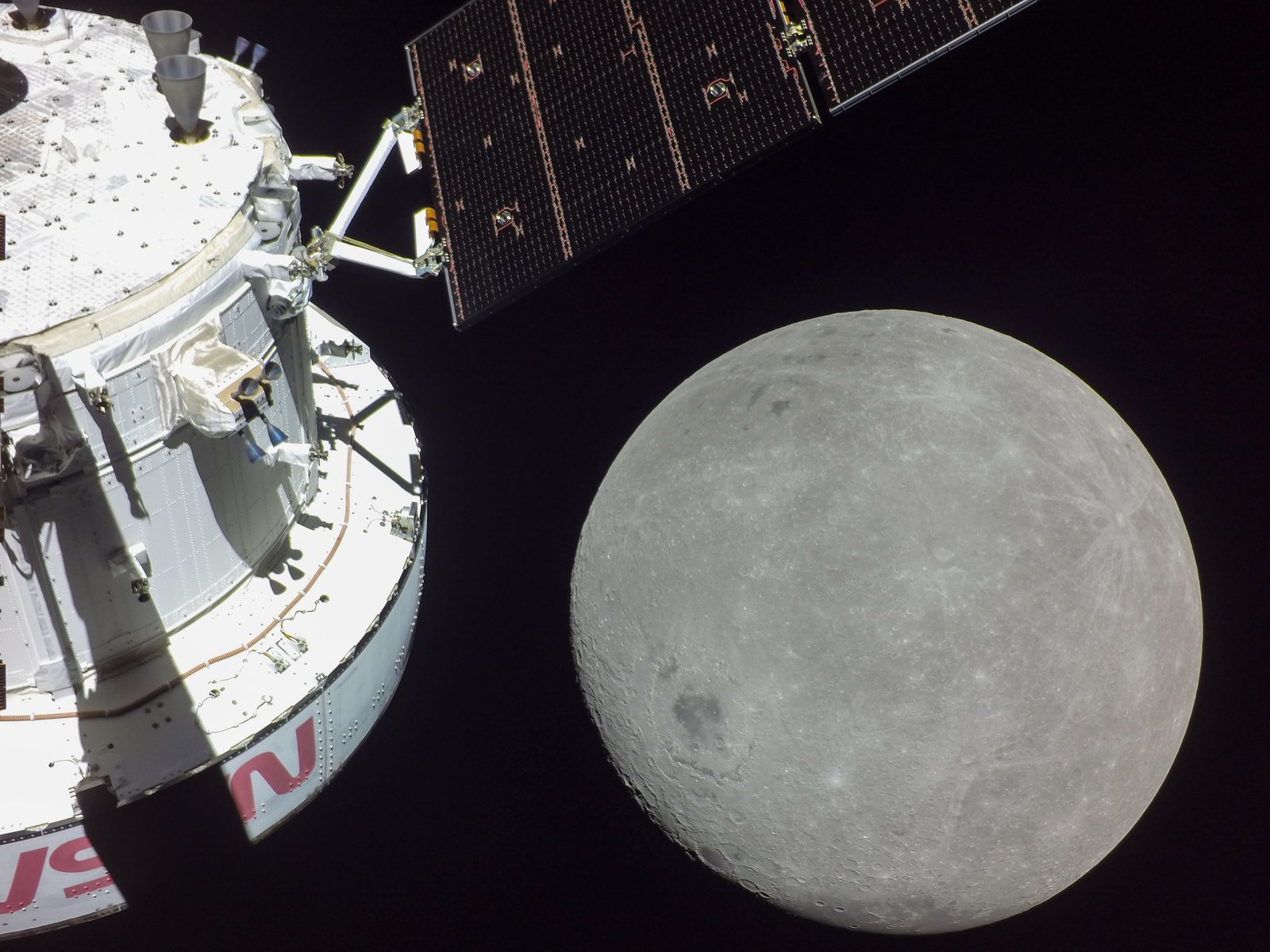
NASA’s Artemis programme represents the agency’s effort to return humans to the lunar surface for the first time since Apollo 17 in 1972. The programme involves a series of missions using the Space Launch System (SLS) rocket and Orion spacecraft, with the goal of establishing a sustained human presence on and around the Moon.
Programme Timeline
Artemis I, an uncrewed test flight, launched successfully in November 2022. Artemis II, planned as a crewed lunar flyby, and Artemis III, intended as the first crewed lunar landing since 1972, are in development. NASA has contracted with SpaceX to provide the Human Landing System using a variant of its Starship vehicle.
Relevance to UAP Research
Several researchers have noted that sustained lunar surface operations could provide opportunities to investigate long-standing reports of anomalous transient lunar phenomena (TLP), unexplained lights, colour changes, and other observations documented by astronomers since the 19th century. NASA’s own catalogues include hundreds of such reports.
The Artemis programme’s surface exploration objectives include geological surveys and resource prospecting. Some members of Congress have suggested that these missions could also be directed to examine locations associated with reported anomalies, though NASA has not formally incorporated such objectives into its mission planning.
The documented historical record of unexplained transient phenomena observed on the lunar surface remains unresolved. Whether Artemis surface operations will shed light on these long-standing reports is an open question.